Designing Furniture That Ages With Grace
The Philosophy of Longevity
In a world dominated by "fast-furniture" and fleeting trends, we believe the most sustainable choice is an object that never needs to be replaced. To design for the long term is to look beyond the immediate aesthetic and consider how a piece of furniture will exist in a home ten, twenty, or fifty years from now.
"A great piece of design doesn't just stand the test of time; it improves because of it."
Material Integrity
Aging with grace starts with the selection of honest materials. We prioritize textures that develop a patina—the natural aging process that tells the story of a life lived.
Solid Oak & Walnut: Unlike veneers that peel, solid wood can be refinished and grows richer in color over decades.
Vegetable-Tanned Leather: This material absorbs the oils of daily use, softening and darkening into a unique character.
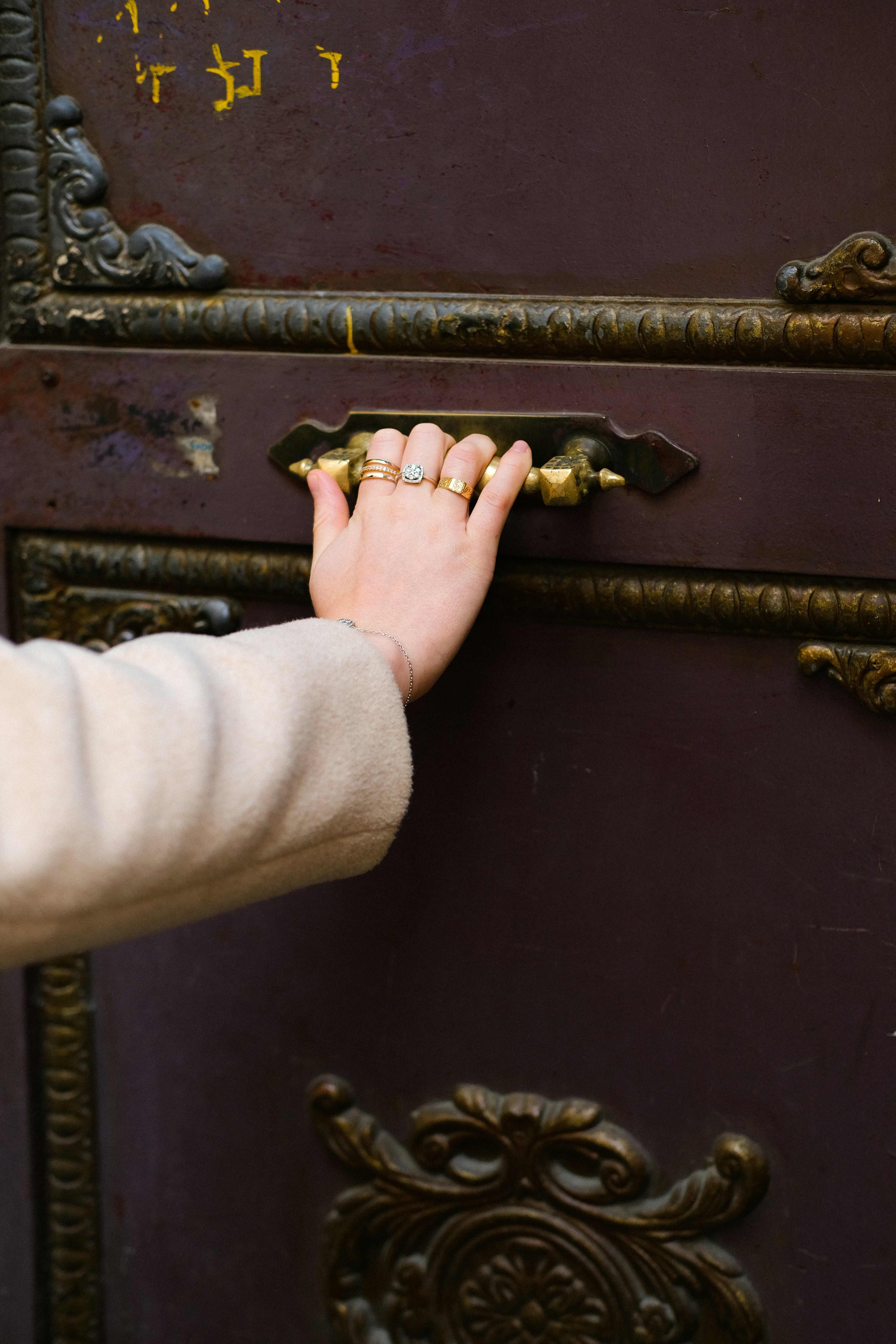
Brass Hardware: Moving away from protective coatings allows the metal to oxidize, creating a living finish.
The Human Connection
Our design process focuses on the "tactile points"—the parts of a piece you touch every day. Whether it is the smooth curve of a hand-sanded armrest or the solid "thunk" of a well-fitted drawer, these details create an emotional bond between the user and the object.
We don't just build furniture for "spaces"; we build them for "homes". A chair isn't just a seat; it’s a witness to morning coffees, late-night conversations, and the quiet passage of years.
Beyond the Certification
Sustainability is often reduced to a label or a certificate. However, true sustainability is found in durability. By creating pieces that age with grace, we reduce waste and honor the resources used to create them. We design not for the landfill, but for the heirloom.

Alex Morgan
Graphic Designer
Share