The Relationship within Craft and Culture
The Silent Language of Making
Culture is often preserved in museums, but it is truly kept alive through the hands of makers. When a craftsman shapes a vessel or carves a joint, they are not just creating a functional object; they are translating centuries of shared history into a physical form. Craft is the silent language that connects our ancestors’ necessity with our modern desire for meaning.
Honoring the Slow Process
In an era of instant gratification, the "Culture of Craft" demands a different pace. It is a culture that respects the time it takes for clay to dry, for wood to season, and for a master to perfect their stroke.
The Wisdom of Repetition: Every repeated motion in the workshop is a tribute to those who refined the technique before us.
Local Identity: The materials we use—the specific grain of local timber or the mineral composition of regional clay—anchor our work to a specific place and people.
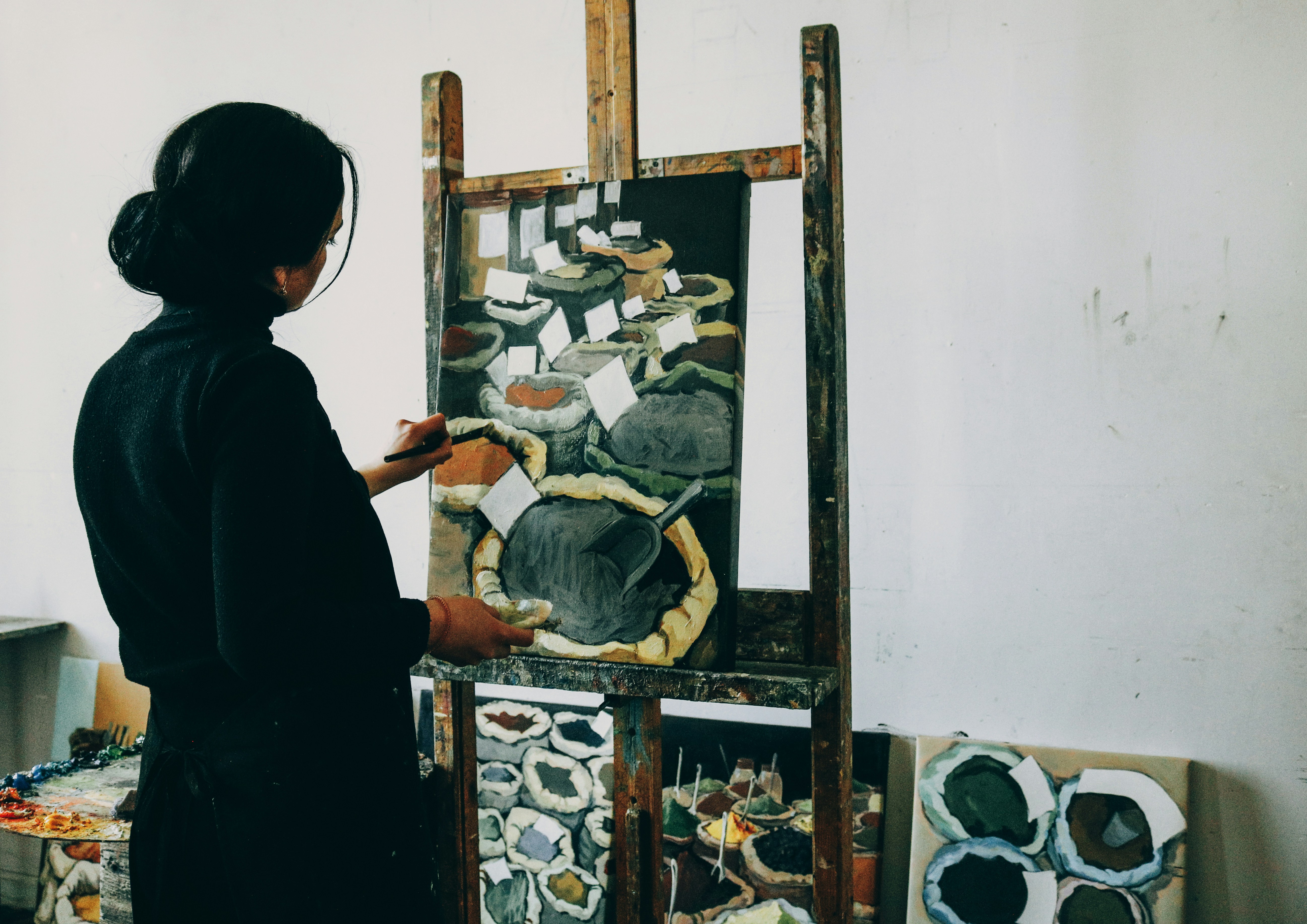
The Human Mark: Unlike machine-perfected goods, handcrafted items bear the "imperfections" that prove a human was present.
Bridging the Digital Divide
As we move further into a digital-first existence, the cultural value of the "physical" increases. Our "Where Thought Becomes Sculpture" philosophy explores this intersection. We use modern design sensibilities to ensure that ancient crafts remain relevant in contemporary homes, ensuring that the thread of our cultural heritage is not broken, but reinforced.
Why It Still Matters Today
We believe that surrounding ourselves with objects of cultural depth changes how we live. It turns a house into a sanctuary of stories. By supporting traditional craft, we aren't just buying a product; we are investing in the survival of a human legacy.

Jane Turner
Product Designer
Share